
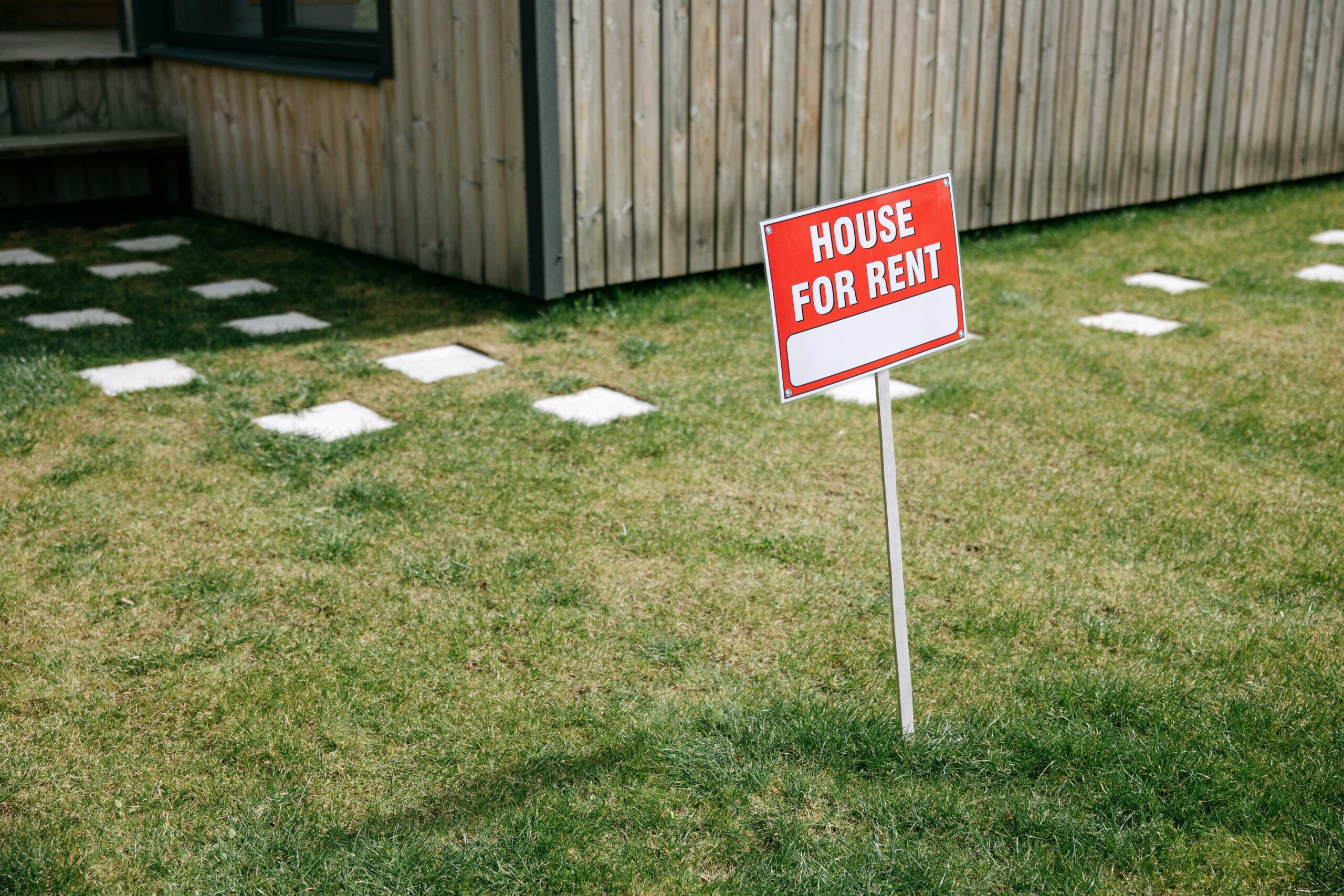
You’ve been going back and forth on this for weeks, maybe months. Buy or rent – it sounds like a simple question. It’s not. And frankly, anyone who gives you a one-size-fits-all answer is either selling something or not paying attention.
The truth is, the right choice depends almost entirely on your situation. Your income, your city, your plans for the next five years, your appetite for risk. That’s it. There’s no universal winner here, and in 2026, the gap between the two options has actually gotten more nuanced than ever. If you’re also thinking about how to optimize your living space while you figure this out, sites like bocauxmaison.fr can give you practical ideas – but first, let’s tackle the big question.
Why the “buying is always better” argument doesn’t hold anymore
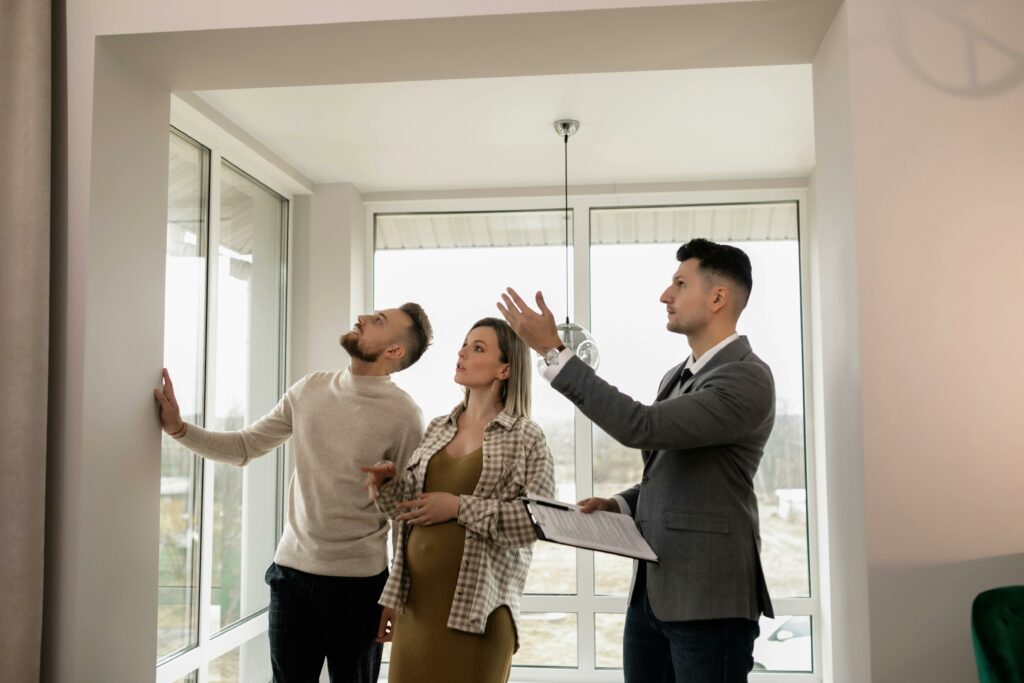 For a long time, the conventional wisdom in France was clear : rent is dead money, buy as soon as you can. That logic made sense when mortgage rates were sitting at 1% and prices were climbing steadily. You’d borrow cheap, watch your asset appreciate, and come out ahead.
2026 is a different story.
Rates have stabilized around 3.5 to 4% depending on your profile and your bank. That’s not catastrophic, but it’s not nothing either. On a €250,000 loan over 20 years, you’re paying somewhere in the range of €90,000 to €100,000 in interest alone. That’s real money. Money that, if you were renting a similar property, might actually be lower than your mortgage repayments – especially in expensive cities like Paris, Lyon, or Bordeaux.
So no, buying isn’t automatically the smart move anymore. It depends on the math.
The real question : how long are you staying ?
This is the single most important variable. Honestly, if there’s one thing to take away from this article, it’s this.
When you buy, you take on a lot of fixed costs upfront : notary fees (around 7 to 8% on older properties), potential renovation costs, agency fees if you go through an agent. In Paris, on a €400,000 apartment, that’s easily €28,000 to €32,000 before you’ve even moved in.
To recoup those costs through property appreciation and equity building, you typically need to stay in the property for at least 5 to 7 years. Some analysts say 6 years is the break-even point on average in France, though it varies heavily by city.
If you’re likely to relocate for work in three years – or if your personal situation might change (partner, kids, job change) – renting gives you mobility that ownership simply doesn’t. Selling a property quickly in a flat or declining market can mean losing money. Not a small amount. A real amount.
Buy or rent in 2026: what the numbers actually say
Let’s take a concrete example. You’re looking at a 65m² apartment in Lyon for €280,000.
If you buy :
- Down payment (10%): €28,000
- Notary fees (~8%): €22,400
- Monthly mortgage (3.8%, 20 years): ~€1,390
- Property tax (taxe foncière): roughly €80–120/month averaged out
- Condo charges : €150–200/month for a standard building
Total monthly cost : somewhere between €1,620 and €1,710, not counting maintenance surprises.
If you rent :
A similar apartment in the same area rents for approximately €900 to €1,050/month. You keep your €50,000 in savings. If you invest that conservatively at 4%, you’re generating around €2,000/year just from that capital sitting in a well-chosen product.
So yes – in Lyon in 2026, renting a comparable apartment can cost you €600 to €700 less per month than owning it. That’s striking. It’s not the case everywhere, but it’s real in many mid-to-large French cities right now.
When buying clearly makes sense
Don’t get me wrong – there are situations where buying is obviously the right call. Several of them, actually.
You’re settled for the long term. You’ve found a city you love, a job that’s stable, maybe a partner who feels the same. You’re not going anywhere for 8, 10, 15 years. In that case, the math almost always tips toward buying. You build equity, you hedge against rent increases, and at the end of the loan, you own an asset.
Rents in your area are close to mortgage costs. This happens in smaller cities and rural areas. In places like Limoges, Le Mans, or Rouen, you can sometimes buy a house and pay a mortgage that’s only slightly higher – or even similar – to local rental prices. The break-even point arrives much faster.
You have a solid down payment. A 20–30% down payment dramatically changes your monthly costs and your total interest paid. It also makes you more attractive to banks, which means better rates. If you’ve been saving for years and have that cushion, buying starts to look a lot more appealing.
You want to renovate and make it yours. Some people just need to put their stamp on a place. Paint the walls, knock down a partition, install the kitchen they’ve always wanted. Renting makes that nearly impossible. There’s a quality-of-life argument here that’s hard to put a number on, but it’s real.
When renting is genuinely the smarter choice
 Renting gets a bad reputation it doesn’t always deserve. Here’s when it makes complete sense.
You’re in an expensive city with a short-term horizon. Paris is the obvious example, but also Nice, Montpellier, Nantes. Price-to-rent ratios in these cities are high – meaning property is expensive relative to rental income. It takes many years to break even as a buyer. If you’re not certain you’ll stay, renting protects you.
Your professional situation is uncertain or evolving. Freelancers, people changing careers, those building a business – buying a property when your income isn’t stable yet adds pressure you probably don’t need. Banks also scrutinize this heavily. Renting buys you time to get your financial profile in order.
Interest rates are eating into your purchasing power. At 3.8–4%, some buyers simply don’t qualify for the amount they need without stretching their budget uncomfortably. The standard rule in France is that your total monthly debt repayments shouldn’t exceed 35% of your gross income. If buying pushes you right up against that ceiling, think twice.
The hybrid scenario a lot of people miss
Here’s something that surprises many first-time buyers : you can rent where you live and buy as an investment elsewhere.
If you’re in Paris and buying there is financially crushing, nothing stops you from buying a small studio in Clermont-Ferrand, Metz, or Valenciennes – cities with decent rental demand and much more accessible prices – and renting it out. You build equity and get into the property market without overextending yourself in a city where prices don’t make sense for you.
It’s not for everyone, but it’s a real option that more and more people in their 30s are exploring. The key is doing the math on rental yield (gross yield of 5–6% is considered solid in France) and not buying in a market with poor demand or high vacancy risk.
So : should you buy or rent in 2026?
Here’s a direct answer, without the usual hedging.
Buy if : you’re staying 6+ years, your income is stable, you have at least 10% down (ideally 20%), and local price-to-rent ratios are reasonable.
Rent if : you’re likely to move within 5 years, you’re in a high-price city, your situation is in flux, or the monthly math simply doesn’t add up in your favor.
And if you’re genuinely unsure – run the numbers for your specific city and property type. The general rule matters less than your actual figures. A mortgage simulator and a conversation with a courtier (an independent mortgage broker) will tell you more in 20 minutes than any article ever could.
The question isn’t “is it better to buy or rent ?” The question is : what’s better for you, right now, with what you have ? That’s the one worth answering.