
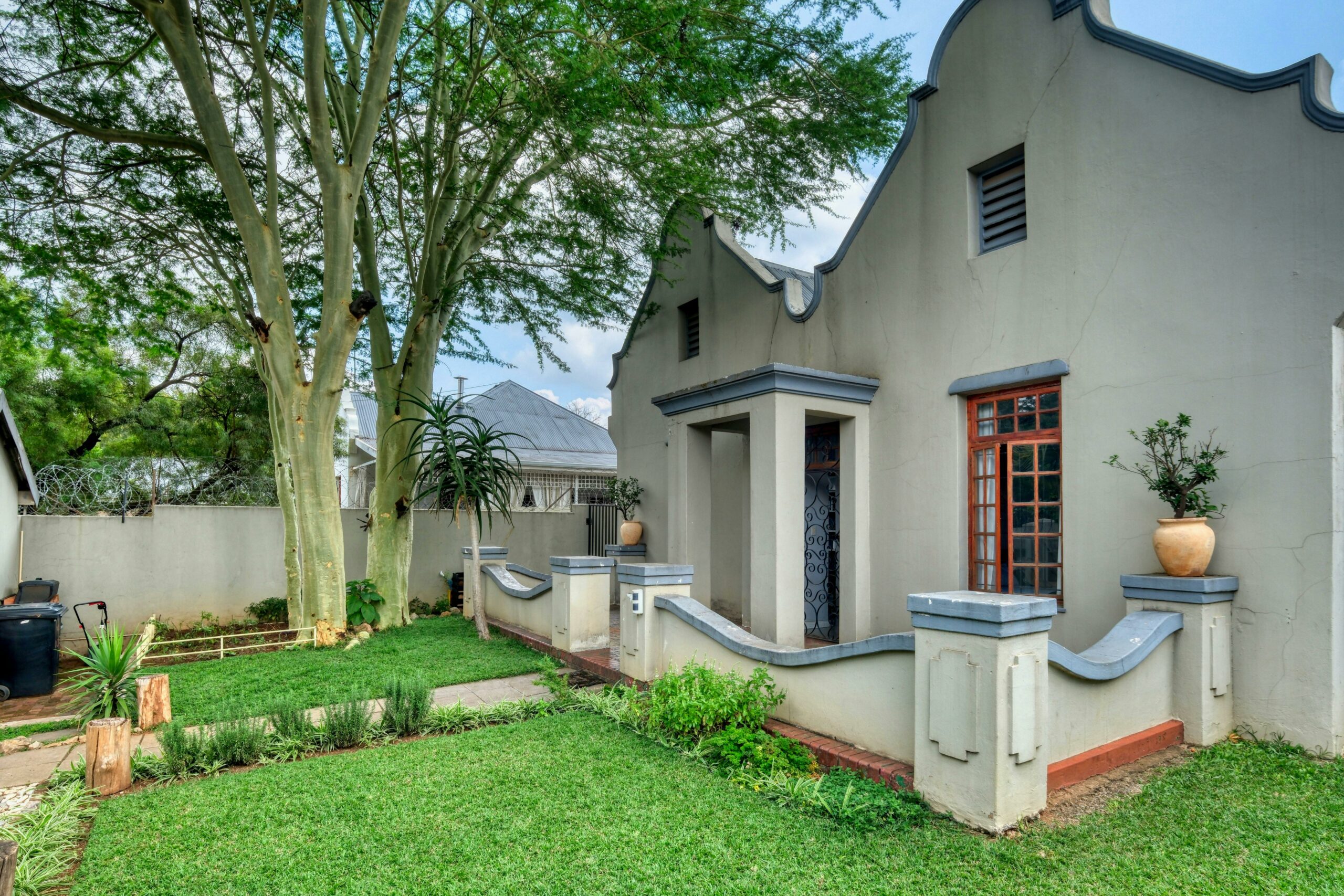
You’ve found the house. The garden is nice, there’s space for the kids, maybe a terrace, a few trees. You’re already picturing Sunday mornings out there. And then you sign. And three months later, you discover the lawn is hiding a drainage problem that costs a fortune to fix, or that the big oak tree at the back is technically on the neighbor’s land.
Buying a house with a garden means buying something you often can’t fully assess in one visit. If the exterior matters to you – and clearly it does, otherwise you’d have bought a flat – then it deserves at least as much attention as the kitchen or the roof. For anyone buying in the west of France, resources like paysagiste-conseil-rennes.com can be useful to get a professional read on a garden’s actual condition before committing.
Here’s what to check, seriously and in order.
The exact boundaries of the land
 This one surprises a lot of buyers. The garden that “looks like” it extends to that hedge or that wall – does it actually belong to the property ?
If the land has never been formally surveyed, you’re relying on the seller’s word and an old cadastral map that may not reflect reality. A bornage – official boundary marking – settles it. It’s not systematic, but if any part of the boundary is ambiguous, you can request it before signing. It typically costs between €500 and €2,000, shared between neighbors.
Don’t skip this if the garden is a key reason you’re buying.
Soil quality and drainage : the invisible part
A beautiful lawn in May can be a swamp in November. Clay-heavy soil, poor drainage, a sloping plot that channels rainwater toward the house – these are things you won’t spot on a sunny afternoon visit.
Ask about water behavior in winter. Look for signs : moss patches on the lawn, unusually dark or soft ground near the house foundations, water stains on the lower walls. If you’re buying in a region with significant rainfall, drainage is not a secondary concern.
In some cases, especially for new builds or recent extensions, a soil study (étude de sol) may already exist. Ask for it. If the house is in a zone listed as at risk from shrink-swell clay (argiles gonflantes), this is publicly available through the Géorisques government website and worth checking before you even visit.
Trees : beautiful but legally complex
A mature tree is an asset. It can also be a source of disputes, damage, and unexpected costs.
A few things to check :
Height and distance from the boundary. French law (article 671 of the Civil Code) sets rules : trees over 2 meters must be planted at least 2 meters from the neighbor’s boundary. Below that, it’s 50 cm. If existing trees don’t comply, you inherit the problem – and potentially the obligation to cut them down.
Root systems. A large tree close to the house can damage foundations, pipework, and drainage over time. Not immediately. But over 10 years, yes.
Protected species or classified trees. Some trees are protected by local urban planning rules (PLU). You can’t just cut them down. Check the PLU for any specific mentions – your notaire can help.
What the garden actually contains underground
This is the point most buyers completely overlook.
An old oil tank. A septic system. A disused well. Rubble buried under the lawn after a renovation. You won’t see any of it, but it becomes your problem the moment you sign.
Ask the seller directly. Ask for documentation on the septic system if there is one – it must be inspected by the local SPANC (public sanitation authority) before sale, and that report is a legal obligation. If the inspection reveals non-compliance, you have negotiating room on price, or you can request the seller remediate before completion.
As for oil tanks : if there’s a decommissioned one on the property, it must have been properly neutralized and certified. If not, you’re looking at a cleanup that can run from €3,000 to over €10,000 depending on soil contamination.
The terrace, outbuildings, and anything built outside
A terrace added five years ago. A garage built at the end of the garden. A garden room, a pergola, a pool.
Anything built on the plot may require a building permit, depending on size and type. If it was built without the required authorization, it’s an unauthorized construction – and that becomes your legal exposure after purchase.
Ask for the permits. If the seller can’t provide them, check the land registry and the local town hall. It’s not a reason to walk away automatically, but it’s a negotiating point and potentially a legal risk you need to understand.
The garden’s maintenance reality
 Slightly different angle, but worth being honest about.
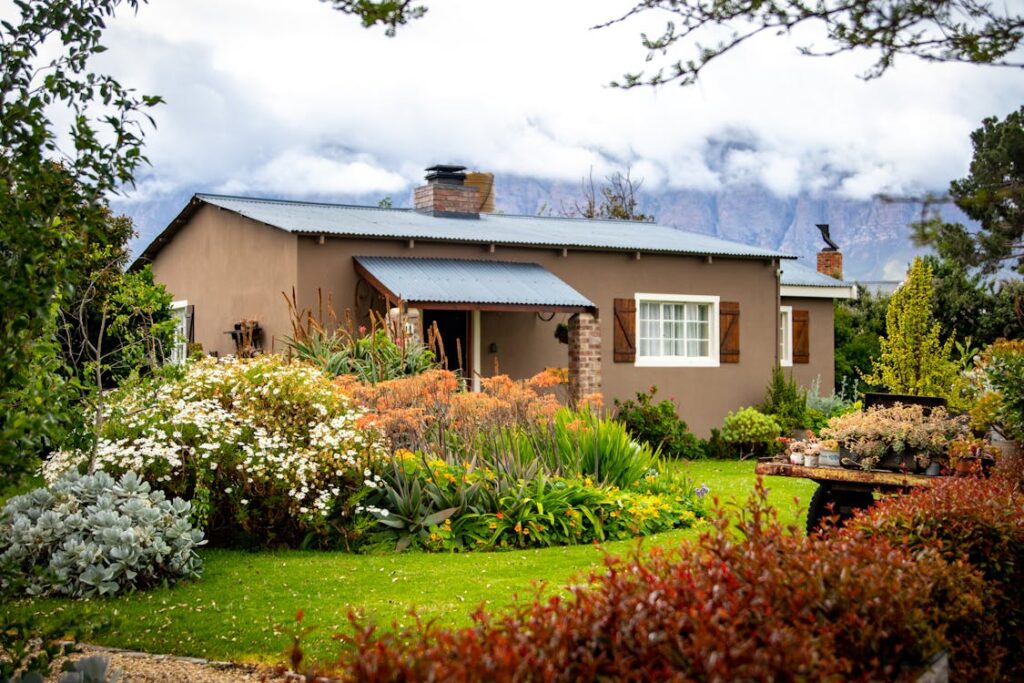
A garden with old hedges, large trees, established flower beds, a vegetable patch, fruit trees – it’s lovely to look at and genuinely demanding to maintain. If you’re not planning to do it yourself and haven’t budgeted for a gardener, the reality can catch you off guard quickly.
A rough estimate : a garden of 500m² with hedges and trees will cost between €800 and €2,000 per year in professional maintenance, depending on the region and complexity. That’s real money. Factor it in.
What to ask the seller before the visit ends
A few direct questions that save a lot of hassle later :
– Has the garden ever flooded or had standing water issues ?
– Are there any boundary disputes with neighbors ?
– Has any construction been done in the garden in the last 20 years ?
– Is there a septic system, and when was it last inspected ?
– Are there any easements on the property ? (A right of way across your land, for example)
Most sellers will answer honestly. Some won’t know. Either way, the answers tell you what to dig into further.
The bottom line before you sign
The garden is part of the property. It’s not a bonus feature. If it’s a reason you’re buying, treat it like one during due diligence.
The checks above won’t take more than a few hours total – and they can save you from discovering, post-signature, that what looked like a lovely outdoor space is actually a legal, structural, or financial problem waiting to unfold.